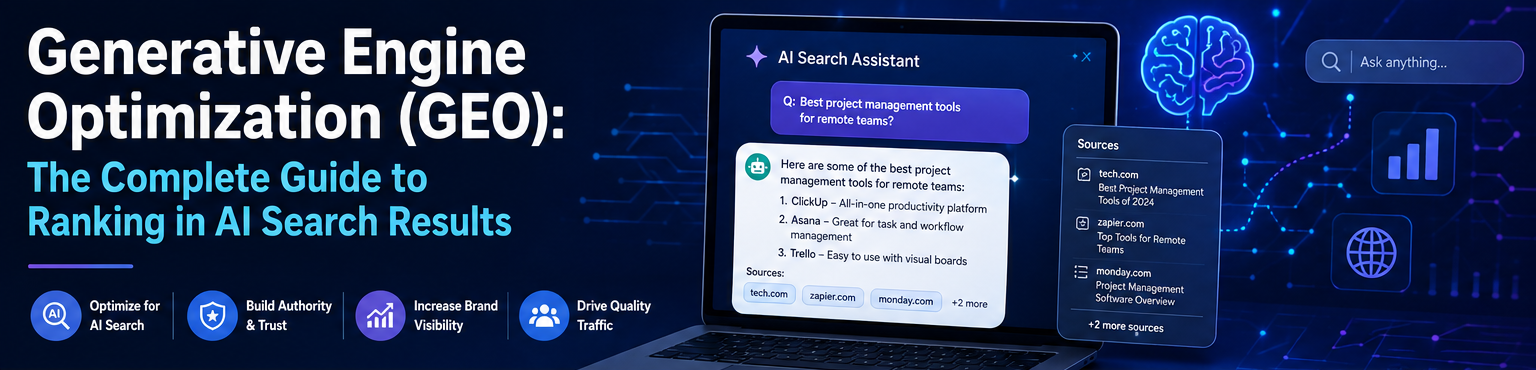
Generative Engine Optimization (GEO): The Complete Guide to Ranking in AI Search Results
Introduction
The way people search for information online is evolving at an unprecedented pace. For decades, traditional search engines such as Google served as the primary gateway to information, presenting users with a list of links that they could explore to find answers. Today, however, artificial intelligence is transforming the search experience. AI-powered platforms like ChatGPT, Google AI Overviews, Gemini, Claude, and Perplexity are changing how people discover, consume, and interact with information. Instead of requiring users to browse multiple websites, these systems generate direct, conversational responses by analyzing and summarizing content from numerous sources.
This shift has given rise to a new digital marketing discipline known as Generative Engine Optimization (GEO). GEO focuses on optimizing content so that AI-powered search engines and generative AI platforms can easily understand, trust, and reference your information when generating responses. As AI becomes increasingly integrated into search experiences, businesses, marketers, and content creators must adapt their strategies to remain visible and competitive.
In this comprehensive guide, you will learn what Generative Engine Optimization is, how it differs from traditional SEO, why it is becoming increasingly important, and the best practices you can implement to improve your visibility in AI-generated search results. If you’re looking for reliable web hosting and digital solutions to support your SEO and GEO efforts, visit Parallax Hosting.
What is Generative Engine Optimization (GEO)?
Generative Engine Optimization (GEO) is the process of creating and optimizing digital content specifically for AI-driven search engines and generative AI systems. The primary objective of GEO is to increase the likelihood that AI platforms will cite, summarize, recommend, or reference your content when responding to user queries.
Unlike traditional Search Engine Optimization (SEO), which focuses on improving rankings within search engine results pages (SERPs), GEO is designed to help content become part of the answers generated by AI systems. These systems analyze vast amounts of information, identify trustworthy sources, and synthesize responses based on relevance, authority, and accuracy. As a result, content creators must focus not only on keywords but also on context, clarity, expertise, and trustworthiness.
For example, when a user searches for the best web hosting provider for small businesses using a traditional search engine, they are typically presented with a list of websites ranked according to SEO factors. In contrast, an AI-powered search assistant may provide a direct recommendation and cite several trusted sources that contributed to the answer. GEO aims to ensure that your content becomes one of those trusted sources.
As AI-generated search continues to grow, GEO is becoming an essential strategy for brands seeking visibility beyond conventional search rankings.
GEO vs SEO: What’s the Difference?
Although GEO and SEO share the common goal of increasing online visibility, they differ significantly in their approach and objectives. Traditional SEO focuses on improving a website’s ranking within search engine results pages by optimizing keywords, backlinks, technical performance, and user experience. Success is often measured through rankings, clicks, and organic traffic.
GEO, on the other hand, focuses on helping content become part of AI-generated responses. Rather than simply ranking highly in search results, GEO aims to establish content as a trusted source that AI systems can confidently reference. This requires a stronger emphasis on context, authority, factual accuracy, and comprehensive topic coverage.
While SEO remains a critical component of digital marketing, GEO is emerging as a complementary strategy that addresses the growing influence of AI-powered search experiences.
Why GEO Matters in 2026
The rapid adoption of AI-powered search tools has fundamentally changed how users seek information online. Instead of clicking through multiple websites, users increasingly prefer receiving immediate, conversational answers from AI assistants. This shift creates both challenges and opportunities for businesses.
One of the primary reasons GEO matters is the growing popularity of AI search platforms. Millions of users now rely on AI assistants to answer questions, conduct research, compare products, and make purchasing decisions. As this trend continues, brands that fail to optimize for AI-generated search may experience reduced visibility.
Another significant advantage of GEO is expanded visibility beyond traditional search engines. Content optimized for AI systems can appear across multiple platforms, including chatbots, virtual assistants, AI search engines, and productivity tools. This broader exposure can help businesses reach audiences in new and meaningful ways.
GEO also contributes to increased brand authority. When AI systems consistently cite your content as a trusted source, users begin to perceive your brand as credible and knowledgeable. This enhanced reputation can strengthen customer trust and influence purchasing decisions.
Additionally, traffic generated through AI recommendations often consists of highly engaged users who are actively seeking solutions. As a result, GEO can contribute to higher-quality traffic and improved conversion rates.
How AI Search Engines Select Content
Generative AI systems evaluate content using a variety of factors to determine whether it should be included in generated responses. Understanding these factors is essential for developing an effective GEO strategy.
Relevance is one of the most important considerations. AI systems prioritize content that directly addresses user questions and provides clear, useful answers. Content that aligns closely with search intent is more likely to be referenced.
Authority also plays a critical role. AI platforms tend to favor content from reputable websites, recognized experts, and established organizations. Building authority through high-quality content and industry recognition can improve your chances of being cited.
Accuracy is equally important. AI systems seek reliable information and often prioritize content supported by evidence, research, and credible sources. Factually incorrect or misleading content is less likely to be referenced.
Content structure significantly influences how AI systems process information. Well-organized articles with clear headings, logical sections, and concise explanations are easier for AI models to understand and summarize.
Finally, freshness matters, particularly for topics involving current events, technology, pricing, or industry trends. Regularly updating content helps maintain relevance and increases the likelihood of inclusion in AI-generated responses.
10 GEO Best Practices for Ranking in AI Search Results
Create Comprehensive Content
AI systems prefer content that thoroughly covers a topic rather than providing superficial information. Comprehensive articles answer multiple related questions, explore important subtopics, and provide valuable context. For example, instead of publishing a brief article titled “Web Hosting Basics,” consider creating an in-depth guide that covers hosting types, features, pricing, security considerations, and best practices. The more complete your content is, the more useful it becomes to both users and AI systems.
Answer Questions Directly
Generative AI platforms are designed to provide direct answers. Therefore, content should clearly and concisely address common questions. For example, if a user asks, “What is shared hosting?” your content should provide a straightforward explanation before expanding into additional details. Direct answers make it easier for AI systems to extract and present relevant information.
Use Structured Headings
Content organization is essential for GEO. Clear headings and subheadings help AI systems understand the hierarchy and context of information. Using H1, H2, and H3 tags, along with bullet points and numbered lists, improves readability and enhances content accessibility for both users and AI models.
Demonstrate Expertise
AI systems increasingly prioritize content created by knowledgeable individuals and organizations. Demonstrating expertise through industry experience, original research, case studies, and expert commentary can significantly improve credibility. Content that showcases practical insights and real-world knowledge is more likely to be viewed as authoritative.
Optimize for E-E-A-T
Google’s E-E-A-T framework—Experience, Expertise, Authoritativeness, and Trustworthiness—remains highly relevant for GEO. Experience demonstrates firsthand knowledge of a topic, while expertise reflects professional competence. Authoritativeness is built through industry recognition and reputation, and trustworthiness is established through transparency, accuracy, and reliability. Together, these factors help AI systems determine whether content is worthy of citation.
Use Natural Language
Modern AI systems understand context and conversational language far better than earlier search algorithms. As a result, content should be written naturally and clearly rather than relying on repetitive keyword usage. Natural language improves readability and helps AI systems better interpret meaning and intent.
Add FAQs
Frequently Asked Questions sections are particularly valuable for GEO because they provide concise answers to common queries. AI systems can easily identify and extract FAQ content when generating responses. Including relevant questions and detailed answers can improve visibility across AI-powered search platforms.
Include Statistics and Data
Data-driven content tends to be viewed as more credible and authoritative. Incorporating statistics, industry reports, survey findings, and original research strengthens your content and provides evidence to support claims. AI systems often prioritize information backed by reliable data sources.
Improve Technical SEO
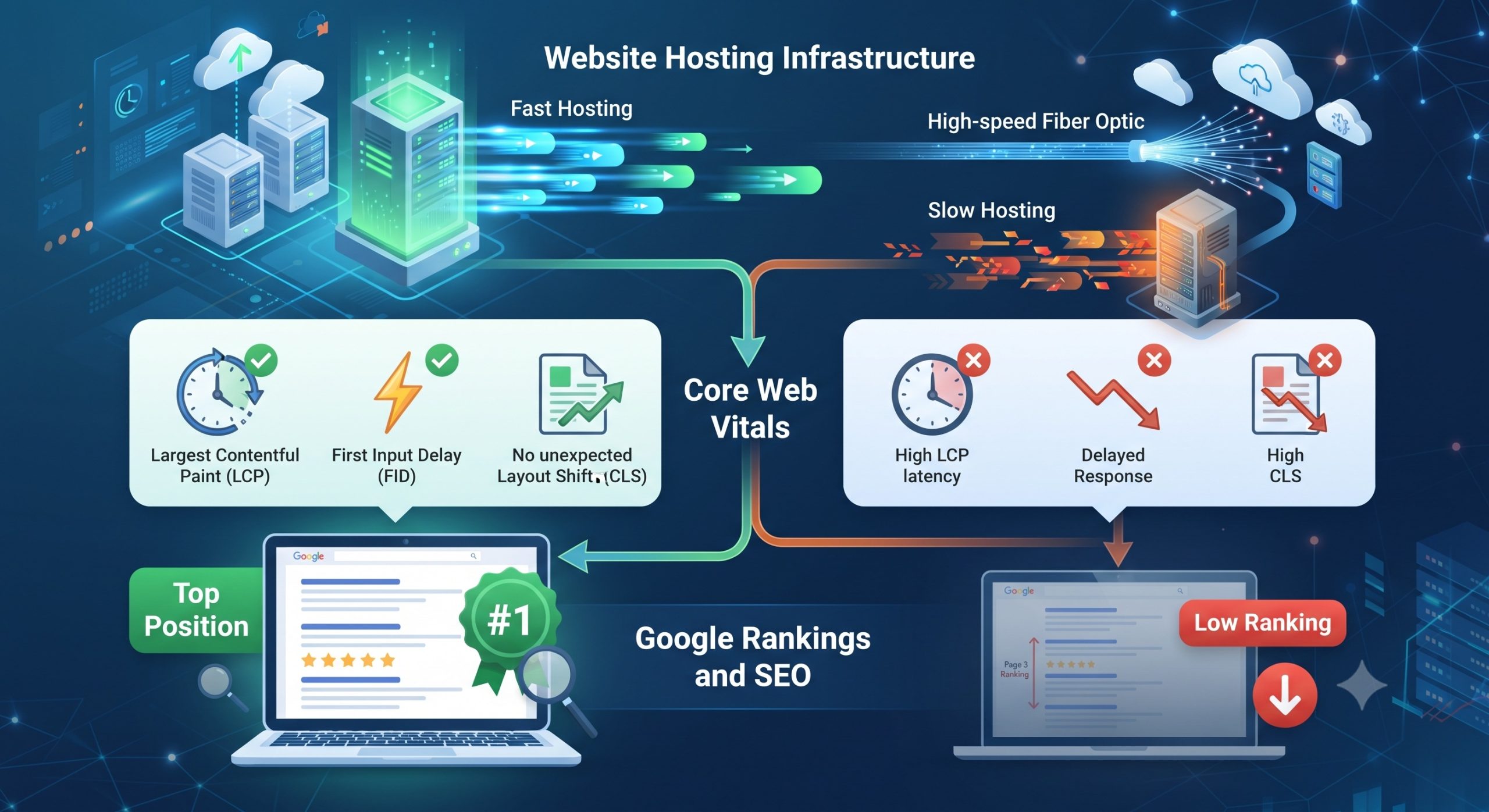
Although GEO focuses on AI visibility, technical SEO remains important. Fast-loading pages, mobile-friendly design, secure HTTPS connections, structured data markup, and clean site architecture all contribute to a positive user experience and improve content accessibility for AI systems.
Keep Content Updated
Information becomes outdated quickly, especially in rapidly evolving industries. Regularly reviewing and updating content ensures that statistics, product details, pricing information, and industry insights remain accurate. Fresh content is more likely to be trusted and referenced by AI platforms.
GEO Content Formats That Perform Best
Certain content formats are particularly effective for Generative Engine Optimization because they align well with how AI systems process and summarize information.
Comprehensive guides provide detailed explanations and educational value, making them ideal sources for AI-generated responses. Tutorials offer step-by-step instructions that help users solve specific problems. FAQ pages deliver concise answers to common questions, while comparison articles assist users in evaluating products or services.
Research articles containing original data and insights often establish strong authority, and case studies demonstrate practical applications and measurable outcomes. By incorporating these formats into your content strategy, you can improve your chances of being cited by AI systems.
Common GEO Mistakes to Avoid
Many organizations make mistakes that limit their visibility in AI-generated search results. One common issue is keyword stuffing, which reduces readability and provides little value to users. Modern AI systems prioritize context and quality over excessive keyword repetition.
Another mistake is publishing thin content that lacks depth and fails to answer user questions comprehensively. Such content is unlikely to be viewed as authoritative or useful.
Outdated information can also harm credibility. AI systems prefer current and accurate content, particularly for topics involving technology, finance, healthcare, and industry trends.
Poor content structure is another challenge. Large blocks of text without headings or organization make it difficult for AI systems to identify key information. Additionally, unsupported claims and a lack of credible sources can reduce trustworthiness and decrease the likelihood of citation.
The Future of GEO
As AI-generated search continues to evolve, Generative Engine Optimization will become an increasingly important component of digital marketing strategies. Future GEO practices are expected to emphasize conversational content, semantic optimization, entity-based search, structured knowledge graphs, and expert-led content creation.
AI systems are becoming more sophisticated in their ability to understand context, relationships between concepts, and user intent. As a result, content creators will need to focus on delivering genuine value, demonstrating expertise, and building trust with audiences.
Organizations that invest in GEO today will be better positioned to benefit from future developments in AI-powered search and digital discovery. By adapting early, businesses can establish themselves as authoritative sources within their industries and maintain visibility as search technology continues to evolve.
Conclusion
Generative Engine Optimization (GEO) represents the next major evolution in search visibility. While traditional SEO remains essential, the growing influence of AI-powered search engines is reshaping how users discover information online. Businesses and content creators must adapt to this changing landscape by creating comprehensive, trustworthy, and well-structured content that AI systems can easily understand and reference.
Success in GEO requires a commitment to quality, expertise, and user-focused content. By answering questions directly, demonstrating authority, optimizing for E-E-A-T, maintaining technical excellence, and keeping information up to date, organizations can improve their chances of being cited in AI-generated responses.
The websites and brands that embrace GEO today will be the ones most frequently recommended, referenced, and trusted by AI systems in the future. Start implementing GEO strategies now and position your business for long-term success in the AI-driven future of search. For businesses seeking reliable hosting infrastructure to support their online growth, explore the solutions available at Parallax Hosting.