Enhancing E-Commerce Security with SSL Certificates
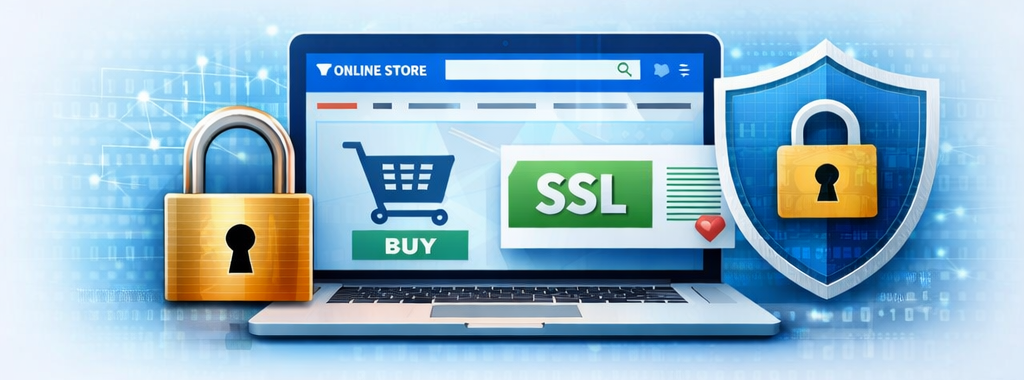
In today’s digital marketplace, e-commerce security is the foundation of online business success. Customers share sensitive information such as personal details, login credentials, and payment data when shopping online. A single security breach can damage brand reputation, reduce customer trust, and lead to financial and legal consequences. That’s why implementing strong website security measures—especially SSL certificates—is essential for every online store.
Why E-Commerce Security Matters
With the rapid growth of online shopping, cyber threats like data breaches, phishing attacks, ransomware, and malware infections have significantly increased. E-commerce websites are prime targets for hackers because they store valuable customer and financial information.

A secure online store helps:
- Protect customer data from cybercriminals
- Prevent unauthorized access
- Maintain business credibility
- Improve search engine rankings
- Increase customer confidence
Security is not just a technical requirement—it is a business necessity.
Understanding SSL Certificates
An SSL (Secure Sockets Layer) certificate is a digital security protocol that encrypts data exchanged between a user’s browser and a website server. This encryption ensures that sensitive information cannot be intercepted or misused by attackers.
When an SSL certificate is installed, your website URL changes from:
http:// → https://
The “S” stands for secure, and a padlock icon appears in the browser’s address bar, signaling a secure connection.te and secure.

Key Benefits of SSL Certificates for E-Commerce
1. Data Encryption
SSL encryption protects sensitive information such as credit card details, passwords, and personal data during online transactions.
2. Customer Trust
The HTTPS and padlock symbol reassure customers that their information is secure, encouraging them to complete purchases.
3. Payment Security
SSL certificates are essential for secure online payments and are often required by payment gateways.
4. SEO Advantage
Search engines like Google prioritize secure websites, meaning HTTPS can positively impact your search engine ranking.
5. Protection Against Cyber Threats
SSL reduces the risk of man-in-the-middle attacks and data interception.
Additional Ways to Strengthen E-Commerce Security

While SSL is critical, a comprehensive security strategy should also include:
- Regular software updates
- Strong password policies
- Two-factor authentication (2FA)
- Firewall protection
- Secure hosting environment
- Regular website backups
- Malware scanning
Combining these measures creates a strong defense system for your online store.
Impact on Customer Trust and Business Growth
Security directly influences purchasing decisions. Customers are more likely to shop from a website that appears secure and trustworthy. A protected website reduces downtime, prevents financial loss, and builds long-term customer loyalty.
In competitive online markets, trust becomes a powerful differentiator—and security builds that trust.
Conclusion
In the modern e-commerce landscape, security is not optional—it is essential. SSL certificates play a vital role in protecting customer data, securing online transactions, and improving search visibility.
By prioritizing website security and implementing SSL encryption, online businesses can safeguard their reputation, protect customers, and create a reliable, trustworthy shopping experience.